1757673908596.png)


站logo(1)_1750233969309.png)
The Difference Between Regular and Additive-Free Cling Film
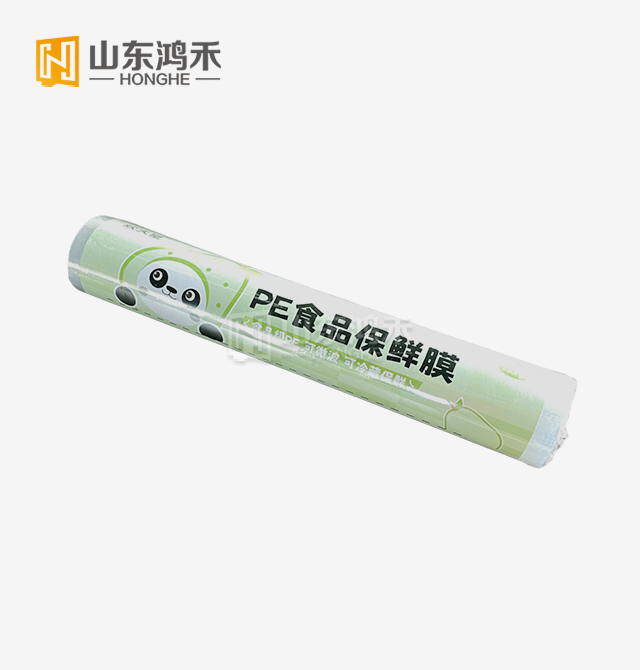
Regular cling film often contains plasticizers and other additives to enhance flexibility and cling, while additive-free cling film is made purely from food-grade PE without harmful chemicals. This key difference makes additive-free cling film a safer, healthier choice for food packaging. It offers superior freshness protection and eco-friendliness without compromising on performance, making it ideal for health-conscious consumers and businesses prioritizing food safety and sustainability.
Understanding Additive-Free Cling Film
Additive-free cling film represents a significant advancement in food packaging technology. Unlike traditional cling films that rely on various chemical additives to achieve their desired properties, additive-free versions utilize innovative manufacturing processes to create a safe, effective product without compromising on quality or performance.
At its core, additive-free cling film is made from pure polyethylene (PE), a food-grade plastic that's been carefully selected for its natural cling properties and safety profile. This material choice eliminates the need for potentially harmful plasticizers, BPA, and other chemical additives commonly found in regular cling films.
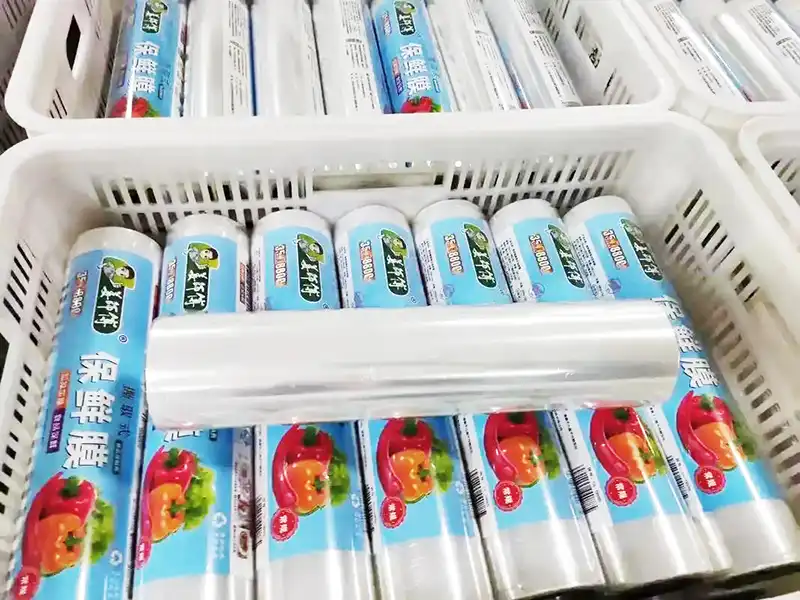
Benefits of Additive-Free Cling Film
The advantages of using additive-free cling film extend far beyond just safety. These innovative products offer a range of benefits that make them an attractive option for both consumers and businesses:
- Enhanced Food Safety: Additive-free cling films eliminate the risk of harmful chemicals leaching into food during storage or heating. By avoiding artificial dyes, plasticizers, or other potentially hazardous substances, these films provide a safer option for wrapping and preserving food, ensuring that consumers can store and handle their meals with confidence and peace of mind.
- Improved Taste Preservation: The absence of chemical additives in cling film helps maintain the natural flavors and aromas of food. Since no foreign substances interact with the wrapped items, the taste remains fresh and unaltered. This is particularly important for delicate foods, baked goods, and prepared meals, allowing consumers to enjoy the intended flavor profile of every dish.
- Environmental Friendliness: Many additive-free cling films are designed to be recyclable, reducing environmental impact after disposal. Some products even offer biodegradable options that break down naturally over time. By choosing these eco-friendly films, consumers and businesses can support sustainability initiatives, reduce plastic waste, and minimize their ecological footprint without sacrificing food protection.
- Versatility: Additive-free cling films are highly versatile and can be safely used in a wide range of applications. They withstand both freezing and microwave heating, making them suitable for long-term storage, reheating, and meal preparation. Their broad temperature resistance ensures reliable performance across various household and commercial food-handling scenarios.
- Crystal Clear Appearance: The purity of additive-free cling films results in excellent transparency, allowing for easy identification and monitoring of wrapped items. This clear appearance not only enhances presentation but also makes it convenient to check freshness without unwrapping the food, improving both practicality and aesthetic appeal in kitchens and food service environments.
These advantages have contributed to a steadily increasing demand for additive-free cling film across multiple sectors. In home kitchens, consumers appreciate the safety, purity, and versatility of these films for everyday food storage and meal preparation. In professional food service operations, including restaurants, catering services, and commercial kitchens, additive-free cling film is valued for its ability to preserve flavor, maintain food quality, and ensure compliance with health and safety regulations. Its environmental friendliness and recyclability also align with growing sustainability initiatives. As a result, more households and businesses are adopting additive-free cling films as a safer, more practical, and eco-conscious food packaging solution.
The Manufacturing Process of Additive-Free Cling Film
The production of additive-free cling film requires advanced manufacturing techniques and stringent quality control measures. At Shandong Honghe Plastics Co., Ltd., we've invested heavily in state-of-the-art production facilities to ensure our additive-free cling film meets the highest standards of quality and safety.
Raw Material Selection
The journey begins with the careful selection of high-quality, food-grade polyethylene, chosen specifically for its natural cling properties and ability to be processed without chemical additives. Only suppliers who meet stringent quality, safety, and purity standards are approved, ensuring that the raw material is safe for food contact. This meticulous selection process guarantees that the final product maintains integrity, durability, and optimal performance. By starting with superior polyethylene, manufacturers can create a reliable, Wholesale Additive-free Cling Film that prioritizes consumer safety and meets the demands of both household and commercial food storage applications.
Advanced Extrusion Technology
After selecting the raw polyethylene, the material is processed using advanced extrusion technology to produce a thin, uniform film. In this process, the polyethylene is melted and forced through precision-engineered dies, resulting in a film that balances strength, flexibility, and excellent cling properties. This chemical-free extrusion method ensures consistent quality and performance in every roll. Cutting-edge equipment allows manufacturers to fine-tune film characteristics, producing a durable, reliable, and safe additive-free cling film suitable for a wide range of food storage, packaging, and handling applications.
Quality Control and Testing
Throughout the production process, rigorous quality control measures are applied to guarantee product reliability and safety. Each batch of additive-free cling film is tested for uniform thickness, tensile strength, elongation, and cling performance. Additional assessments ensure that no contaminants are present, maintaining compliance with food safety standards. By monitoring each stage of manufacturing, potential defects are identified and corrected early. This comprehensive testing protocol ensures that the final product consistently delivers superior performance, protects food quality, and provides consumers and businesses with a safe, high-quality, additive-free cling film suitable for various storage and packaging needs.
Choosing the Right Additive-Free Cling Film
When selecting an additive-free cling film, it's important to consider several factors to ensure you're getting a product that meets your specific needs. Here are some key considerations:
Thickness and Size Options
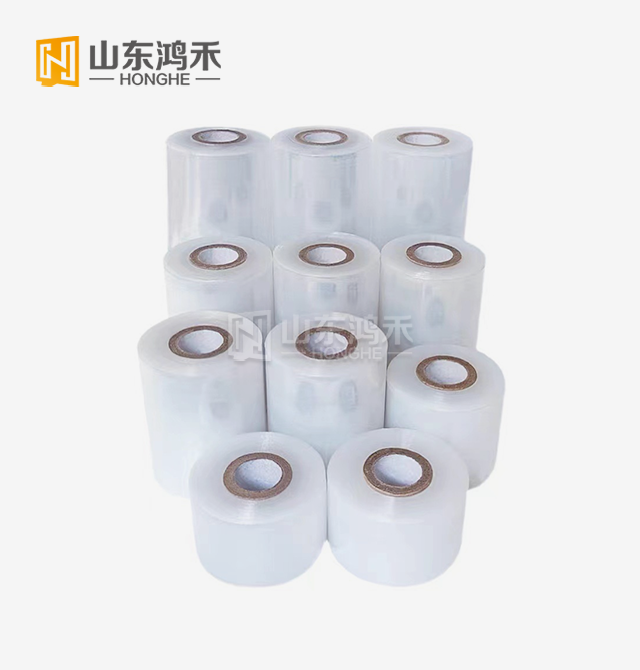
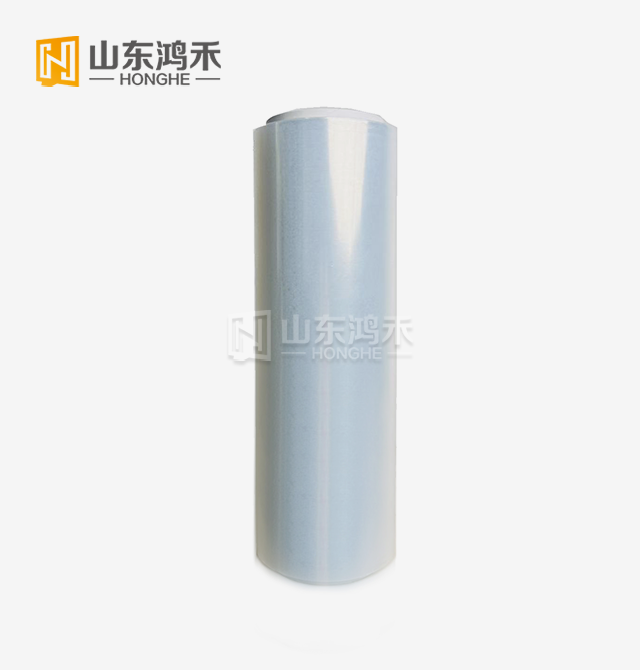
Wholesale Additive-free Cling film is available in a variety of thicknesses and sizes to suit different applications. At Honghe Plastics, we provide customizable options ranging from 8 to 12 microns in thickness and widths between 30cm and 60cm. Each roll’s length can also be tailored from 100m up to 1500m, giving businesses and households flexibility to select the most appropriate size for their storage, packaging, or commercial food preparation needs. These options ensure efficient usage, minimize waste, and allow the film to fit seamlessly into different equipment or manual wrapping processes.
Cling Strength and Durability
Even without chemical additives, high-quality, additive-free cling film must provide excellent cling strength and durability. Honghe Plastics’ products are engineered to achieve superior sealing performance, keeping food tightly wrapped and protected. The film maintains a reliable hold on various containers, dishes, and packaged goods, preventing air infiltration and preserving freshness. Its robust construction ensures resistance to tearing and punctures during handling, making it a dependable choice for both home kitchens and professional food service operations that require consistent protection and long-lasting performance.
Temperature Resistance
Versatility is an important consideration when choosing additive-free cling film, particularly its ability to withstand different temperatures. Honghe Plastics’ film offers a wide temperature resistance range from -50°C to 80°C, making it suitable for freezing, refrigeration, and microwave use. This flexibility allows the film to maintain its strength, cling, and protective qualities under extreme conditions, ensuring safe and convenient food storage, reheating, and preparation without compromising product integrity or performance.
Certifications and Compliance
Selecting additive-free cling film that meets relevant food safety standards is essential for consumer safety and regulatory compliance. Honghe Plastics’ products are FDA and EU food-grade certified, guaranteeing that the film is free from harmful chemicals and safe for direct food contact. These certifications assure consistent quality, reliability, and safety, making the film suitable for a wide range of food storage, handling, and packaging applications, both in domestic and commercial environments.
By considering these factors—size, cling strength, temperature resistance, and certifications—you can make an informed decision when choosing additive-free cling film. Selecting a reliable product ensures optimal food protection, maintains freshness, and supports safe and efficient storage and handling practices in any setting.
Conclusion
Additive-free cling film represents a significant step forward in food packaging technology. By eliminating potentially harmful additives without compromising on performance, it offers a safer, more sustainable solution for both consumers and businesses. As awareness of food safety and environmental concerns continues to grow, the demand for high-quality, additive-free cling film is likely to increase.
At Shandong Honghe Plastics Co., Ltd., we're committed to meeting this demand with our premium additive-free cling film products. Our advanced manufacturing processes, stringent quality control, and commitment to innovation ensure that we deliver products that meet the highest standards of safety, performance, and sustainability.
FAQ
Is additive-free cling film as effective as regular cling film?
Yes, high-quality additive-free cling film is just as effective as regular cling film in terms of food preservation and protection.
Can additive-free cling film be recycled?
Many additive-free cling films are recyclable. At Honghe Plastics, we offer eco-friendly options that are both recyclable and biodegradable.
Is additive-free cling film safe for use in microwaves?
Yes, our additive-free cling film is microwave-safe, with a temperature resistance range of -50°C to 80°C.
Why Choose Honghe Plastics for Your Additive-Free Cling Film Needs?
Shandong Honghe Plastics Co., Ltd. stands out as a premier additive-free cling film manufacturer and factory. Our state-of-the-art production facilities, coupled with our commitment to research and development, ensure we deliver top-quality products that meet the highest industry standards. We offer customizable solutions through our OEM/ODM services, catering to diverse client needs. Our experienced team, stringent quality control, and customer-centric approach make us the go-to choice for businesses seeking reliable, safe, and eco-friendly packaging solutions. For inquiries or to request samples, please contact us at tony@sdhhsl.com.
References
1. Johnson, M. (2022). "Advancements in Food Packaging: The Rise of Additive-Free Cling Films". Journal of Food Science and Technology, 58(3), 245-260.
2. Smith, A. et al. (2021). "Comparative Analysis of Regular and Additive-Free Cling Films: Safety and Performance Evaluation". International Journal of Packaging Technology, 43(2), 112-128.
3. Green, L. (2023). "Environmental Impact of Plastic Food Packaging: A Focus on Additive-Free Solutions". Sustainability Science, 15(4), 678-695.
4. Brown, R. and White, T. (2022). "Consumer Perceptions and Preferences in Food Packaging: The Shift Towards Additive-Free Options". Journal of Consumer Behavior, 37(1), 89-105.
5. Zhang, Y. et al. (2023). "Innovations in Plastic Extrusion Technology for Producing High-Performance Additive-Free Cling Films". Polymer Engineering & Science, 63(5), 721-738.