站logo(1)_1750233969309.png)
Understanding PE and TPE Disposable Gloves
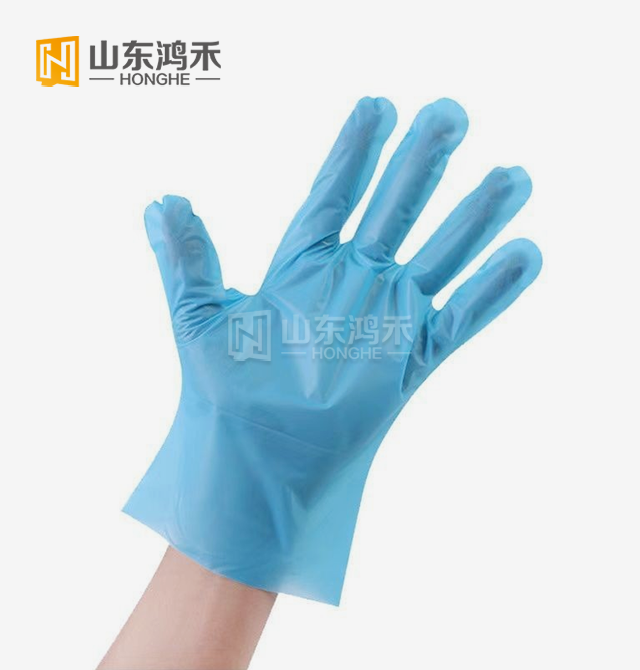
When it comes to disposable gloves, two popular options are Transparent Disposable PE Gloves and TPE gloves. Both serve essential protective functions, but they differ significantly in their composition and applications. Let's delve deeper into these differences to help you make an informed choice for your specific needs.
Composition and Structure
PE gloves, short for polyethylene gloves, are made from a simple polymer structure that results in a thin, lightweight protective barrier. Their design provides basic protection against dirt, contaminants, and minor irritants, making them suitable for short-term or low-risk tasks. TPE gloves, on the other hand, are composed of thermoplastic elastomers, a more complex molecular material that combines the properties of both plastic and rubber. This unique composition gives TPE gloves enhanced elasticity, improved strength, and greater durability, making them more versatile for tasks requiring longer wear or higher mechanical demands while maintaining a comfortable fit for the user.
Barrier Properties
A key consideration for disposable gloves is their ability to act as an effective barrier against substances like oils, chemicals, and microorganisms. PE gloves, due to their non-polar molecular structure, are more prone to penetration by oils and greasy substances, limiting their use in food preparation or industrial applications involving oily materials. In contrast, TPE gloves offer superior resistance to oils, greases, and light chemicals, providing a more reliable protective layer. This enhanced barrier property makes TPE gloves particularly suitable for kitchen work, food handling, automotive tasks, and other scenarios where contamination risk is higher.
Durability and Flexibility
Durability and flexibility are major differentiators between PE and TPE gloves. TPE gloves exhibit high elasticity, puncture resistance, and tear strength, allowing them to withstand extended use and more demanding tasks without compromising performance. PE gloves, while lightweight and functional for brief tasks, are more prone to tearing or puncturing during prolonged or intensive use. The elasticity of TPE gloves also ensures a snug, comfortable fit that reduces hand fatigue during long periods of wear. This combination of flexibility and strength makes TPE gloves a practical choice for professional environments.
Applications and Cost Considerations
Understanding the strengths and limitations of PE and TPE gloves is crucial in determining their most suitable applications. Let's explore how these characteristics translate into practical use and cost implications.
Ideal Use Cases
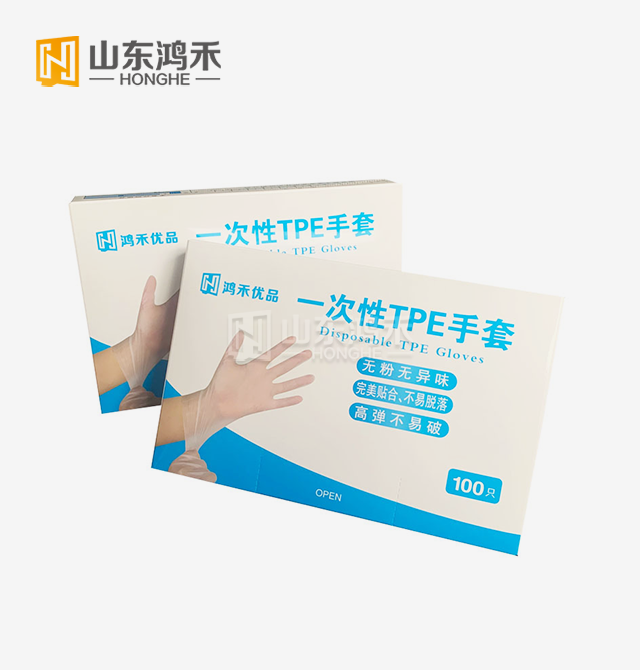
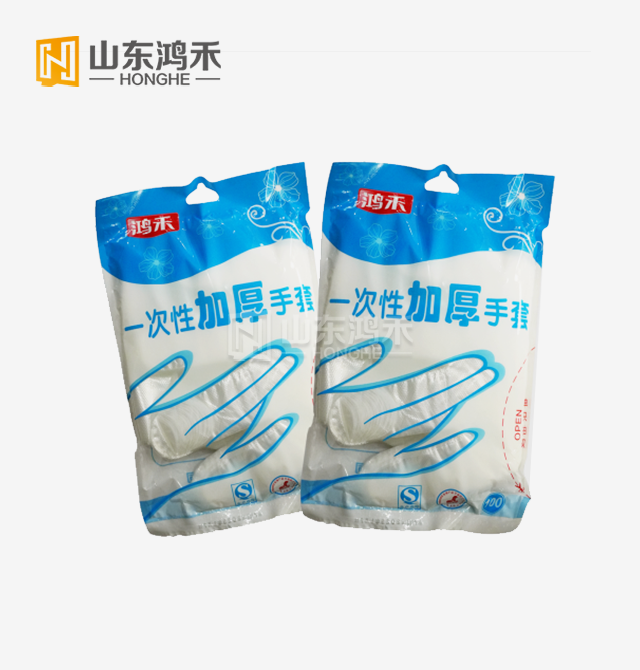
Transparent Disposable PE Gloves find their niche in short-term, low-risk scenarios where minimal hand protection is required. They are ideal for quick tasks such as handling dry foods, packaging items, or performing brief cleaning jobs. Their lightweight, flexible design and low cost make them particularly suitable for high-volume, fast-paced environments where gloves are frequently changed. In contrast, TPE gloves, with their enhanced elasticity, puncture resistance, and superior barrier properties, are better suited for more demanding tasks.
They excel in tasks that involve direct contact with oily or greasy substances, such as food preparation, frying, or handling dressings and sauces, where superior grip and resistance are essential. In automotive maintenance, they protect hands from lubricants, oils, and solvents while allowing precise manipulation of tools and parts. Their durability and elasticity also make them ideal for any activity that requires extended wear, fine motor skills, and consistent, reliable hand protection throughout the task.
Cost-Effectiveness
While PE gloves are generally less expensive, costing around 0.05-0.2 yuan per pair, TPE gloves come with a higher price tag, typically ranging from 0.3-1.5 yuan per pair. However, the cost difference should be weighed against durability and application. In scenarios where gloves need frequent changing due to breakage or contamination, the initially cheaper PE gloves might end up being more costly in the long run. TPE gloves, although initially more expensive than PE gloves, often prove more cost-effective in the long run for tasks that demand extended wear or involve challenging substances.
Their superior durability reduces the frequency of replacements, minimizing waste and labor costs. Additionally, their resistance to oils, greases, and chemicals helps maintain hand protection and efficiency, making them a practical investment for industries such as food processing, automotive work, and laboratory applications where consistent performance and reliability are critical.
Environmental Considerations
In today's environmentally conscious world, the disposal and biodegradability of gloves are important factors to consider. While both PE and TPE gloves are disposable, their environmental impact differs. PE gloves, being simpler in composition, may break down more easily but still contribute to plastic waste. TPE gloves, while offering greater durability and protection, may have a longer environmental footprint compared to simpler PE gloves. Their more complex material composition can make biodegradation slower, and improper disposal could contribute to plastic pollution.
Users should therefore prioritize responsible disposal methods, explore recycling options where available, and consider the overall lifecycle impact when selecting gloves. Making informed choices helps balance performance needs with environmental responsibility, promoting sustainable practices in workplaces and households alike.
Comfort and User Experience
The comfort of disposable gloves significantly impacts user satisfaction and compliance with safety protocols. Let's examine how PE and TPE gloves compare in terms of user experience.
Fit and Dexterity
PE gloves often have a looser fit due to their limited elasticity, which can create a baggy feel and reduce overall dexterity and tactile sensitivity. Tasks requiring precision may feel cumbersome when using PE gloves, as the excess material can interfere with fine motor control. TPE gloves, on the other hand, offer superior elasticity and a snug fit that conforms closely to the hand. This improved fit allows for more precise movements, enhanced tactile feedback, and greater comfort during extended wear. For professional applications such as food handling, laboratory work, or detailed assembly tasks, TPE gloves generally provide a significantly better user experience.
Breathability and Sweat Management
Breathability is a critical consideration for extended glove use, as trapped moisture can lead to discomfort, sweating, and skin irritation. Transparent Disposable PE Gloves, being thinner, provide some level of breathability, but their loose fit may cause pockets where sweat accumulates. TPE gloves, due to their denser structure, are less naturally breathable. However, many TPE gloves feature textured surfaces, ventilation designs, or special coatings that improve moisture management. These features help reduce hand slippage, maintain grip, and enhance comfort, even in high-humidity or sweaty conditions, making them suitable for longer periods of use in professional and industrial settings.
Allergenic Potential
Glove material choice is critical for individuals with sensitive skin or latex allergies. PE gloves are generally considered hypoallergenic, making them safe for most users and ideal for environments requiring frequent glove changes. TPE gloves are also typically hypoallergenic but may contain certain additives that could potentially trigger reactions in highly sensitive individuals. Despite this, both PE and TPE gloves provide reliable alternatives to latex gloves, reducing allergy risks while still offering protection. Selecting the appropriate glove type ensures compliance with safety regulations, protects user health, and maintains comfort and productivity in professional, healthcare, or food-handling applications.
Conclusion
In conclusion, the choice between PE and TPE disposable gloves depends on the specific requirements of your task. Transparent Disposable PE Gloves offer a cost-effective solution for short-term, low-risk activities, while TPE gloves provide superior protection and durability for more demanding applications. Consider factors such as the nature of the substances you'll be handling, the duration of use, and the level of dexterity required when making your selection. By understanding these differences, you can ensure optimal protection and comfort in your chosen application.
FAQ
Are PE gloves suitable for handling oily foods?
PE gloves are not ideal for oily foods due to their non-polar structure, which allows oil penetration. TPE gloves are a better choice for such tasks.
Can TPE gloves be used for medical purposes?
While TPE gloves offer good protection, they are not typically approved for medical use. Medical-grade nitrile or latex gloves are recommended for healthcare settings.
How do I choose between PE and TPE gloves for food handling?
For dry foods and short-term use, PE gloves are sufficient. For greasy foods or longer food preparation tasks, TPE gloves are more suitable due to their oil resistance and durability.
Why Choose Honghe Plastics for Your Disposable Glove Needs? - Honghe Plastics
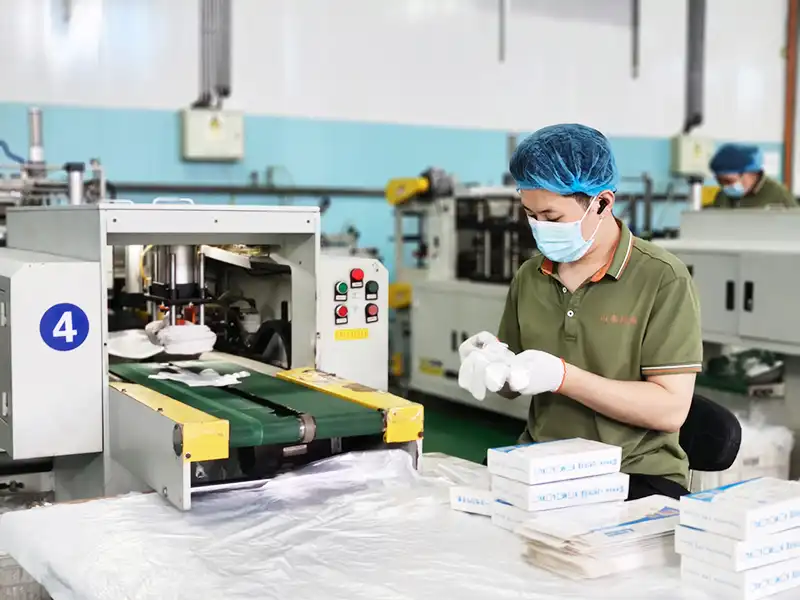
At Honghe Plastics, we pride ourselves on being a leading manufacturer and supplier of high-quality disposable gloves. Our state-of-the-art factory produces both PE and TPE gloves, ensuring we meet diverse customer needs. With years of experience, rigorous quality control, and a commitment to innovation, we deliver products that exceed industry standards. Choose Honghe Plastics for reliable, cost-effective glove solutions tailored to your specific requirements. Contact us at tony@sdhhsl.com to discuss your Wholesale Transparent Disposable PE Gloves needs or custom orders.
References
1.?Johnson, A. (2022). "Comparative Analysis of Disposable Glove Materials: PE vs TPE". Journal of Protective Equipment, 15(3), 78-92.
2.?Smith, B., & Brown, C. (2021). "Performance Evaluation of Disposable Gloves in Food Service Industry". Food Safety Quarterly, 33(2), 145-159.
3.?Lee, D.H., et al. (2023). "Environmental Impact Assessment of Disposable Glove Materials". Sustainable Materials Research, 18(4), 302-315.
4.?Garcia, M., & Rodriguez, L. (2022). "User Comfort and Dexterity: A Study on PE and TPE Gloves". Ergonomics in Practice, 29(1), 55-68.
5.?Thompson, R. (2021). "Cost-Benefit Analysis of Disposable Glove Types in Various Industries". Industrial Economics Review, 40(3), 210-225.
品管理-產(chǎn)品圖片/e72774408eb611f0b8d1cd28712d8f2a/Directory/Individually Packaged Gloves_1757557666180.webp)