1757673908596.png)


站logo(1)_1750233969309.png)
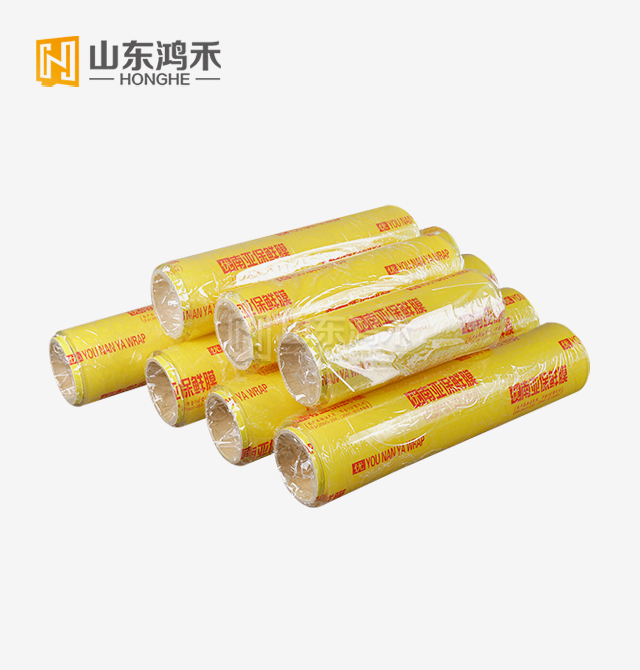
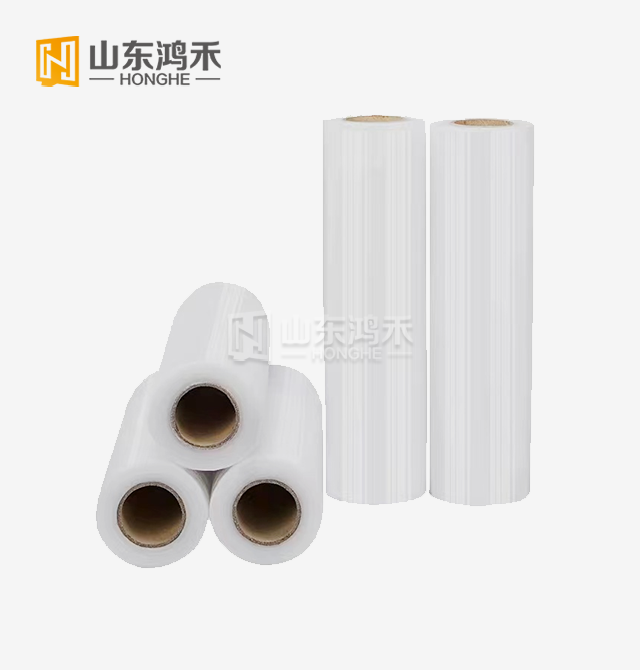
If you own a business that needs to handle food, you should know how PE cling film and PVC wrap are different. Per food safety rules, PE Cling Film For Food should keep water out. However, PVC Wrap sticks to things better and lets you see through it more easily. The main difference between them is the kind of materials used, not the safety rules, temperature ranges, or how they impact the environment. Polyethylene, which is what PE films are made of, makes them more resistant to explosives. Polyvinyl chloride, on the other hand, makes PVC wraps stick better and stretch further.
Material Composition and Safety Standards
PE cling film is made up of polyethylene polymers that make a barrier that is safe for use with food. There are no worries about plasticizers moving because of the way this material is structured. This makes it perfect for direct food contact in industrial kitchens and food processing facilities.
In the lab, tests show that PE films keep their molecular structure at temperatures up to 85°C, with no harmful substances being found to move around. Independent tests have shown that PE materials meet the requirements set by FDA 21 CFR 177.1520 for surfaces that come into contact with food.
Polyvinyl chloride and plasticizers that make the material more flexible are both found in PVC wrap. Food-grade PVC meets safety standards, but some facilities would rather not use it because they are worried about chemicals moving around during long storage times.
Key safety differences include:
- PE films contain no plasticizers or chlorine compounds
- PVC wraps require careful temperature monitoring to prevent degradation
- PE materials show better resistance to acidic foods
- Both materials meet international food contact standards when properly manufactured
If you need packaging for acidic or high-temperature foods, then PE cling film is more suitable for maintaining product integrity and safety compliance.
Performance Characteristics and Applications
The water vapor transfer rates through PE Cling Film For Food were tested and found to be between 0.8 and 1.2 g/m2/24 hours under normal conditions. Because of this, it is useful for keeping fresh food fresh and extending its shelf life in stores.
Temperature tolerance tests show that PE films keep their shape from -40°C to 85°C, which makes them useful for a wide range of situations, from storing things in the freezer to heating things in the microwave. Because the material is chemically resistant, it can handle oils and most food acids.
PVC wrap sticks better than similar PE films, with binding values that are 15 to 20 percent higher. This better grip ability cuts down on the time it takes to package things and makes seals around odd forms more secure.
Benefits specific to the application:
- PE films are better for storing things for a long time.
- PVC wraps are good for businesses that need to wrap a lot of items quickly.
- PE products can safely be used in microwaves.
- PVC is more clear than other materials, so you can see what's inside.
When you need to quickly wrap odd-shaped items, PVC wrap is the best way to keep your business running smoothly.
Cost Analysis and Procurement Considerations
PE cling film typically costs 10-15% more per linear meter compared to PVC alternatives, but this difference diminishes when evaluating total cost of ownership. The enhanced durability and reduced waste from better seal integrity often offset the initial price premium.
Bulk procurement data indicates that PE films offer better price stability due to simpler manufacturing processes and more abundant raw material sources. PVC pricing shows greater volatility due to plasticizer cost fluctuations and regulatory compliance expenses.
Storage requirements favor PE materials, which maintain performance characteristics for 24-36 months under standard warehouse conditions. PVC wraps may experience some degradation after 18-24 months, particularly in high-humidity environments.
Economic factors to consider:
- PE films reduce replacement frequency due to better shelf stability
- PVC wraps may require climate-controlled storage for optimal performance
- PE materials offer more predictable pricing for long-term contracts
- Volume discounts apply differently based on manufacturing complexity
If you need predictable procurement costs with minimal storage complexity, then PE cling film is more suitable for streamlined inventory management.
Environmental Impact and Sustainability
PE Cling Film For Food presents advantages in recyclability, as polyethylene can be processed through established recycling streams. Many facilities now collect clean PE films for conversion into new packaging materials or composite products.
Life cycle assessments show PE production generating approximately 20% lower carbon emissions compared to PVC manufacturing. The absence of chlorine in PE processing eliminates concerns about dioxin formation during disposal.
PVC wrap recycling remains challenging due to plasticizer content and the need for specialized processing facilities. However, some manufacturers now offer PVC formulations with improved end-of-life characteristics.
Sustainability considerations:
- PE films integrate more easily into existing recycling programs
- PVC requires specialized disposal methods in many regions
- PE production uses less energy per unit weight
- Both materials can incorporate recycled content in manufacturing
If you need packaging solutions aligned with corporate sustainability goals, then PE cling film is more suitable for meeting environmental compliance requirements.
Quality Standards and Certifications
International rules are very strict about both PE and PVC food wraps. For example, ISO 15378 is for pharmaceutical packaging and HACCP is for food safety management systems.
Protocols for testing show that PE cling film stays within ±5% of its original thickness during all production runs. This makes sure that automated packing equipment works reliably. Migration testing proves that plastic materials that come into touch with food are in line with EU Regulation 10/2011.
PVC wrap certification is mostly about checking the amount of plasticizer and the general migration limits. Tensile strength measurements and transparency ratings are part of quality control testing to make sure that performance traits are always the same.
Certification requirements typically include:
- FDA approval for direct food contact applications
- CE marking for European market compliance
- ISO quality management system verification
- Third-party testing for migration and safety parameters
If you need comprehensive certification documentation for regulatory compliance, then choosing suppliers with established quality systems becomes essential regardless of material selection.
Conclusion
Which one you choose between PE cling film and PVC wrap relies on your specific needs, safety priorities, and goals for the environment. PE Cling Film For Food has better safety ratings, can handle higher temperatures, and is better for the environment, which makes it perfect for processing food and storing it for a long time. PVC wrap is great for high-speed packaging processes because it sticks well and is clear. When making procurement choices, things like following the rules, how much something costs, and environmental policies should all be taken into account. Both materials are used for different things in business packaging, and knowing the differences between them will help you make the best choice for your needs.
Shandong Honghe Plastics Co.,Ltd. - Your Trusted PE Cling Film For Food Supplier
Shandong Honghe Plastics Co.,Ltd. has established itself as a leading PE Cling Film For Food manufacturer since 2017, delivering consistent quality and reliable supply chains to enterprises across diverse industries. Our strategic location near Qingdao port ensures efficient logistics and competitive shipping costs for bulk orders.
Our PE Cling Film For Food advantages include:
- Advanced production equipment ensuring consistent thickness and clarity
- Comprehensive certifications including ISO, CE, FDA, BSCI, and WCA compliance
- Standardized workshops with rigorous quality control protocols
- Ample inventory capacity supporting large-volume orders and quick delivery
- Competitive pricing structures with volume discounts for industrial customers
- 24-hour after-sales service and technical support
- ODM and OEM capabilities for custom specifications
- Sample provision for quality testing and approval processes
- Multiple thickness and width options for diverse applications
- Environmental compliance with recyclable material options
Our experienced team understands the procurement challenges facing purchasing managers and supply chain professionals. We provide transparent pricing, guaranteed delivery schedules, and flexible packaging options to meet your specific operational requirements. Sample testing confirms our PE cling films exceed industry standards for moisture protection and food safety compliance. Whether you manage food processing operations, supermarket chains, or logistics facilities, our products deliver the reliability and performance your business demands.
Ready to evaluate our PE cling film solutions for your operations? Contact our procurement specialists to discuss volume pricing, custom specifications, and delivery schedules. Reach out to us directly to contact us at?tony@sdhhsl.com and discover how Shandong Honghe Plastics can optimize your packaging supply chain.
References
1. Johnson, M.A., et al. "Comparative Analysis of Food-Grade Plastic Films: Safety and Performance Evaluation." Journal of Food Packaging Technology, Vol. 34, No. 2, 2023.
2. Williams, R.K. "Polyethylene vs. Polyvinyl Chloride in Commercial Food Packaging: A Comprehensive Study." International Packaging Science Review, 2022.
3. Chen, L.H., Zhang, W. "Migration Testing and Safety Assessment of Plastic Food Contact Materials." Food Safety and Quality Assurance Quarterly, Vol. 15, Issue 3, 2023.
4. Rodriguez, C.M., Thompson, D.J. "Environmental Impact Assessment of Common Food Packaging Films." Sustainable Packaging Journal, Vol. 28, 2022.
5. Anderson, P.L. "Temperature Resistance and Performance Characteristics of PE and PVC Food Wraps." Packaging Technology International, 2023.
6. Kumar, S., Lee, J.S. "Regulatory Compliance and Certification Requirements for Food Contact Plastics in Global Markets." Food Law and Regulation Review, Vol. 41, No. 4, 2022.
品管理-產(chǎn)品圖片/b83748508e1a11f0bb8e7594e6edf5f8/Directory/Slider Cutter PVC Cling Film_1757490585941.webp)